
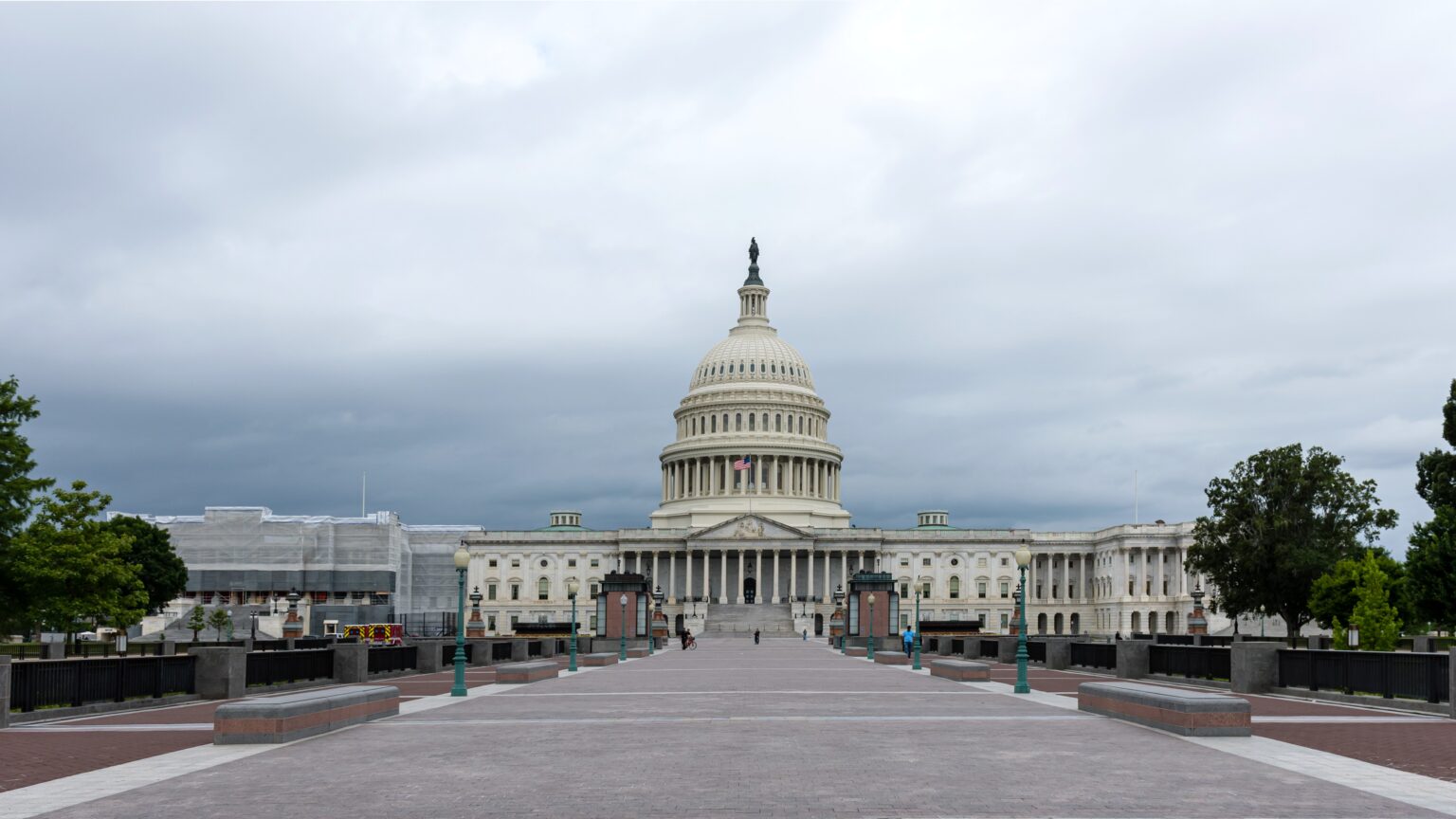
As we inch closer to a federal government shutdown, we finally have some big updates for you from the U.S. House of Representatives. But that doesn’t necessarily mean a shutdown will be avoided, as the House’s proposal is missing one key element, for some members of Congress.
The House passed a Republican-led continuing resolution (CR) last week that would fund the government at current spending levels through Nov. 21. This would also extend the COVID pandemic-era Medicare telehealth flexibilities again.
While hundreds of healthcare groups and providers have urged Congress to make these flexibilities permanent, the extension found in the House CR would only keep them going through the November date. The legislation also extends the Acute Hospital Care at Home program, continues funding for community health centers, and delays scheduled cuts to Medicaid disproportionate share hospital (DSH) payments that shore up hospitals providing care to low-income and uninsured patients.
What it doesn’t have, however, is anything extending Patient Protection and Affordable Care Act (PPACA) subsidies set to expire at the end of the year. And that appears to be a top ask of Democrats.
It was reported that there was little negotiation across the aisle on the House CR, as Democrats had proposed their own version of the legislation that would permanently extend PPACA subsidies that are set to expire at the end of the year, as well as reverse Medicaid cuts found in the so-called One Big Beautiful Bill Act (OBBBA).
The Senate voted to block the House CRs on Friday, and Congress now is taking at least part of the week off, so it’s unclear what exactly will happen next. Democrats have publicly stated that they will not back a bill they didn’t have input on this time. Several key votes have already been cancelled for the House – which means they aren’t expected to be back in session before the shutdown deadline – setting the stage for a somewhat likely shutdown.
While Congress is busy focusing on telehealth and subsidies, the Centers for Medicare & Medicaid Services (CMS) is addressing another hot topic in healthcare for the administration. The agency opened up applications for its five-year, $50 billion Rural Health Transformation Program, which is widely considered an effort to ease some of the cuts to hospitals’ Medicaid funding found in the OBBBA.
U.S. Department of Health and Human Services (HHS) Secretary Kennedy stated that “rural healthcare deserves a healthcare system built for rural reality,” and that this fund is the starting point of moving to that rural reality.
The Program will split the $50 billion up, with $25 billion being distributed evenly to every state with an approved application, and the remaining 25 being distributed based on state need and their application. While CMS has indicated that there is not a specific, detailed list of required actions necessary to be awarded funds from the program, it gave a few examples of possible programs that might be eligible, including chronic disease management, and helping rural providers practice at the top of their license, as well as promote flexible care arrangements and access to remote care.
The notice did specify how the money can’t be used, including new construction or, interestingly, wage support for facilities with provider non-competes. CMS noted that the funding is not intended for “perpetual operating expenses,” but instead long-term investments in rural healthcare.
The agency stressed that while only states are eligible for the funding, they are able to consult as many stakeholders as they’d like to design and help implement activities proposed by states in their applications. Funding awards will be announced by the end of the year, and the FAQs note that CMS will have quote “substantial” project involvement to ensure success.
You may remember me asking the question back in August about whether healthcare’s moment in the sun was going to last…it’s now just one month later, but as a key part of budget negotiations to keep the government’s doors open and headline-making agency actions, I think we have our answer.