White House Hot Spot and Montana Mermaids

From DC to the nation’s heartland, officials are weighing economic and public health concerns against one another.

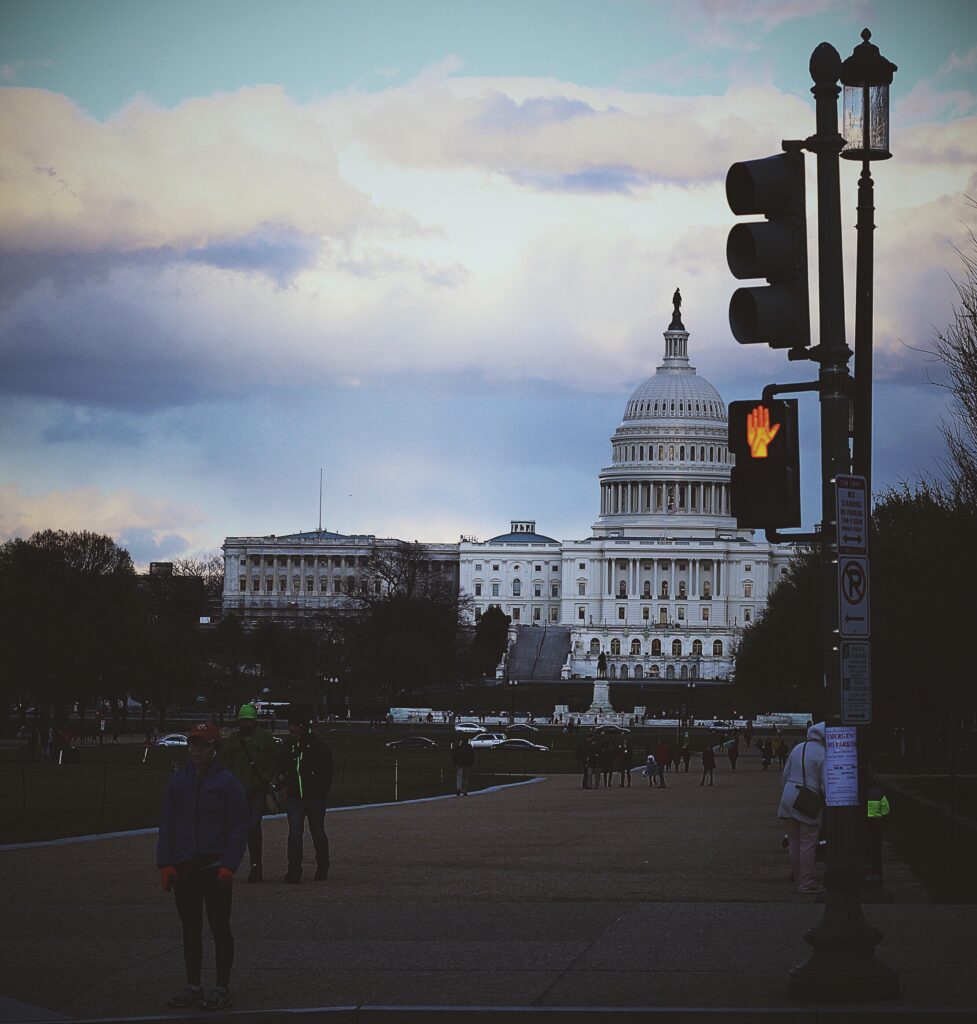
As states ponder the financial benefits and the public health risks of reopening workplaces, the White House itself has become something of a COVID-19 hot spot.

In addition to the President’s valet and the Vice President’s press secretary testing positive for COVID-19 last week, a number of administration officials have self-quarantined, including:

  • Anthony Fauci, Director of the National Institute of Allergy and Infectious Diseases;
  • Food and Drug Administration (FDA) Commissioner Stephen Hahn;
  • Centers for Disease Control and Prevention (CDC) Director Robert Redfield;
  • On the Pentagon side: Chief of Naval Operations Michael Gilday and Chief of the National Guard Bureau Joseph Lengyel; and
  • S. Sen. Lamar Alexander, after one of his staff members tested positive.

Vice President Mike Pence, who, of course, was in contact with his press secretary that tested positive, reportedly stayed away from the White House this past weekend, but is not self-quarantining himself, and will show up for work this week. However, he is “laying low,” according to one source.

On the legislative side, “bit” and “Rooseveltian” are the words Democrats have been using when talking about the next stimulus package – priced at $3 trillion – which they introduced on Tuesday and are expected to vote on Friday. The package is to provide Americans with vast and wide-ranging economic relief from the coronavirus pandemic.

  • House Democrats intend to include funds for states and local government, as well as more direct payments to Americans and rental and homeowner assistance to stop evictions and foreclosures.
  • The Republican-led Senate, however, is pushing back and taking a “wait-and-see” attitude: wait and see how the stimulus we have passed works, they’re saying, and then do more, if necessary. President Trump seemed to take the Senate’s side this week, when he said that the White House is “in no rush” to pass additional stimulus.
  • Another obstacle is that the House has not decided on when to return to Washington. There are a number of political issues impacting this decision, but there are also health risks: 22 construction workers in the Canon Office Building in D.C. have tested positive for COVID-19. Now, the Canon Office Building is not only where many of the representatives have their offices, it’s also where some lawmakers sleep, in order to save on hotel or rental costs. It’s tough to social distance when you treat your office like a college dorm.

Finally, there was a story from a Montana tiki bar last week that reflects a trend at the national level, with regard to confusing government reopening guidelines. The bar owners were given contradictory instructions from the governor’s office and the county health department when they asked: could mermaids swim in the aquarium that patrons watch from their bar stools, or are schools of swimming mermaids going against social distancing? The governor said yes, health department said no.

Meanwhile, at the national level, the CDC released a draft of guidelines for reopening different types of workplaces on Tuesday of last week. On Thursday, the White House pulled that guidance back and said that it was too strict – and, maybe a little late in the game – so it would never see the light of day. Similarly, the U.S. Equal Employment Opportunity Commission put out guidance on Wednesday for employers returning to the workplace, and pulled back on it by Thursday.

The state and local government finally agreed that the mermaids of Montana do get to swim – though they have to do it one at a time – but we are still waiting for consistent guidelines from the federal government on how they want to see workplaces reopen in the context of this pandemic.

Programming Note: Matthew Albright is a permanent panelist on Monitor Mondays. Listen to his live reporting every Monday, 10-10:30 a.m. EST

Facebook
Twitter
LinkedIn

Matthew Albright

Matthew Albright is the chief legislative affairs officer at Zelis Healthcare. Previously, Albright was senior manager at CAQH CORE, and earlier, he was the acting deputy director of the Office of E-Health and Services for the Centers for Medicare & Medicaid Services.

Related Stories

Leave a Reply

Please log in to your account to comment on this article.

Featured Webcasts

Mastering Principal Diagnosis: Coding Precision, Medical Necessity, and Quality Impact

Mastering Principal Diagnosis: Coding Precision, Medical Necessity, and Quality Impact

Accurately determining the principal diagnosis is critical for compliant billing, appropriate reimbursement, and valid quality reporting — yet it remains one of the most subjective and error-prone areas in inpatient coding. In this expert-led session, Cheryl Ericson, RN, MS, CCDS, CDIP, demystifies the complexities of principal diagnosis assignment, bridging the gap between coding rules and clinical reality. Learn how to strengthen your organization’s coding accuracy, reduce denials, and ensure your documentation supports true medical necessity.

December 3, 2025

Proactive Denial Management: Data-Driven Strategies to Prevent Revenue Loss

Denials continue to delay reimbursement, increase administrative burden, and threaten financial stability across healthcare organizations. This essential webcast tackles the root causes—rising payer scrutiny, fragmented workflows, inconsistent documentation, and underused analytics—and offers proven, data-driven strategies to prevent and overturn denials. Attendees will gain practical tools to strengthen documentation and coding accuracy, engage clinicians effectively, and leverage predictive analytics and AI to identify risks before they impact revenue. Through real-world case examples and actionable guidance, this session empowers coding, CDI, and revenue cycle professionals to shift from reactive appeals to proactive denial prevention and revenue protection.

November 25, 2025
Sepsis: Bridging the Clinical Documentation and Coding Gap to Reduce Denials

Sepsis: Bridging the Clinical Documentation and Coding Gap to Reduce Denials

Sepsis remains one of the most frequently denied and contested diagnoses, creating costly revenue loss and compliance risks. In this webcast, Angela Comfort, DBA, MBA, RHIA, CDIP, CCS, CCS-P, provides practical, real-world strategies to align documentation with coding guidelines, reconcile Sepsis-2 and Sepsis-3 definitions, and apply compliant queries. You’ll learn how to identify and address documentation gaps, strengthen provider engagement, and defend diagnoses against payer scrutiny—equipping you to protect reimbursement, improve SOI/ROM capture, and reduce audit vulnerability in this high-risk area.

September 24, 2025

Trending News

Featured Webcasts

Top 10 Audit Targets for 2026-2027 for Hospitals & Physicians: Protect Your Revenue

Stay ahead of the 2026-2027 audit surge with “Top 10 Audit Targets for 2026-2027 for Hospitals & Physicians: Protect Your Revenue,” a high-impact webcast led by Michael Calahan, PA, MBA. This concise session gives hospitals and physicians clear insight into the most likely federal audit targets, such as E/M services, split/shared and critical care, observation and admissions, device credits, and Two-Midnight Rule changes, and shows how to tighten documentation, coding, and internal processes to reduce denials, recoupments, and penalties. Attendees walk away with practical best practices to protect revenue, strengthen compliance, and better prepare their teams for inevitable audits.

January 29, 2026

AI in Claims Auditing: Turning Compliance Risks into Defensible Systems

As AI reshapes healthcare compliance, the risk of biased outputs and opaque decision-making grows. This webcast, led by Frank Cohen, delivers a practical Four-Pillar Governance Framework—Transparency, Accountability, Fairness, and Explainability—to help you govern AI-driven claim auditing with confidence. Learn how to identify and mitigate bias, implement robust human oversight, and document defensible AI review processes that regulators and auditors will accept. Discover concrete remedies, from rotation protocols to uncertainty scoring, and actionable steps to evaluate vendors before contracts are signed. In a regulatory landscape that moves faster than ever, gain the tools to stay compliant, defend your processes, and reduce liability while maintaining operational effectiveness.

January 13, 2026
Surviving Federal Audits for Inpatient Rehab Facility Services

Surviving Federal Audits for Inpatient Rehab Facility Services

Federal auditors are zeroing in on Inpatient Rehabilitation Facility (IRF) and hospital rehab unit services, with OIG and CERT audits leading to millions in penalties—often due to documentation and administrative errors, not quality of care. Join compliance expert Michael Calahan, PA, MBA, to learn the five clinical “pillars” of IRF-PPS admissions, key documentation requirements, and real-life case lessons to help protect your revenue.

November 13, 2025

Trending News

Happy National Doctor’s Day! Learn how to get a complimentary webcast on ‘Decoding Social Admissions’ as a token of our heartfelt appreciation! Click here to learn more →

CYBER WEEK IS HERE! Don’t miss your chance to get 20% off now until Dec. 1 with code CYBER25

CYBER WEEK IS HERE! Don’t miss your chance to get 20% off now until Dec. 2 with code CYBER24